
Inclusivity in Sports
Back in July 2025, one of my constituents, Ruby Bishop, reached out to share her story. Ruby is an extraordinary young woman: a 21‑year‑old wheelchair tennis player, ranked among the top athletes in Great Britain, who has achieved international success despite facing significant barriers in accessing sport while growing up.
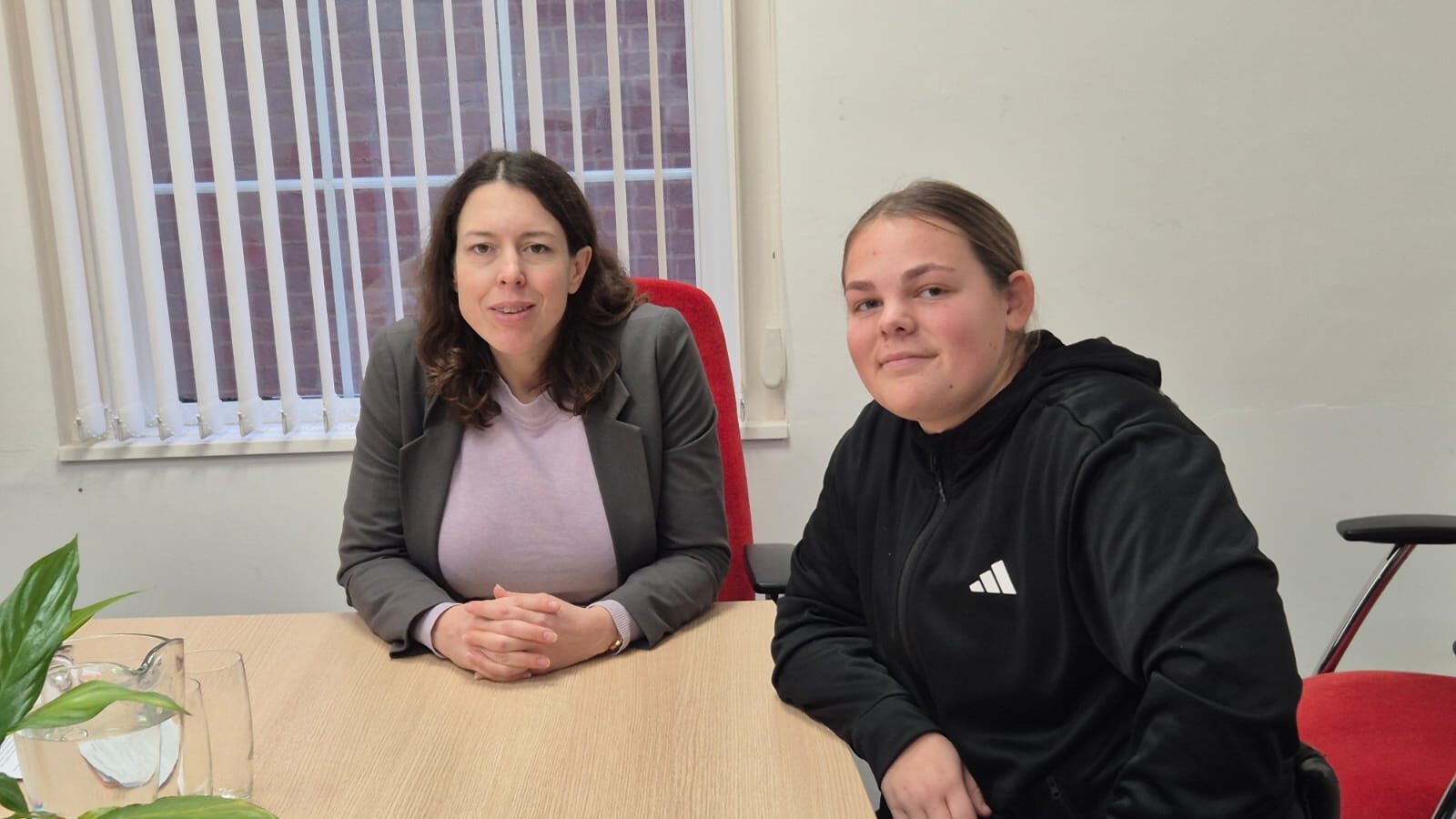
Ruby told me about her experience of being routinely excluded from PE throughout her time at school – sent to sit in a “special needs room” instead of being supported to participate. Outside school she was competing in national sports, yet inside school she was side-lined. Her story is powerful and deeply concerning, and it immediately resonated with the wider work I have been doing on SEND support across Norwich North.
After meeting with Ruby, I contacted key national organisations, including ParalympicsGB, the Lawn Tennis Association, and Activity Alliance, to understand more about the work already underway to make sports and PE more inclusive, and to explore how I could support Ruby’s campaign here in Norwich. It was inspiring to hear about the progress being made nationally, particularly through initiatives such as Inclusion 2028 and ParalympicsGB’s Equal Play campaign, both of which aim to transform access to sport and physical activity for disabled children and young people.
These conversations reinforced to me how important it is that we continue pushing for change locally. I made it a personal mission to help bring this issue to the forefront: to spark a conversation about how we can ensure every child and young person in Norwich, and across Norfolk, has equal access to sport.
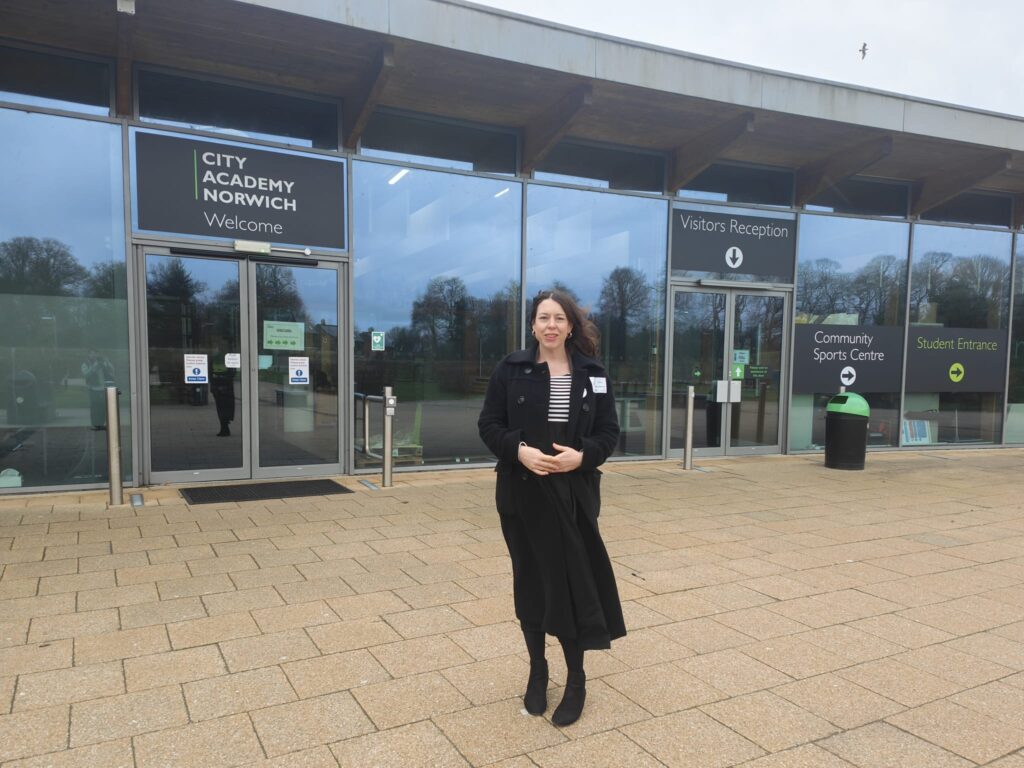
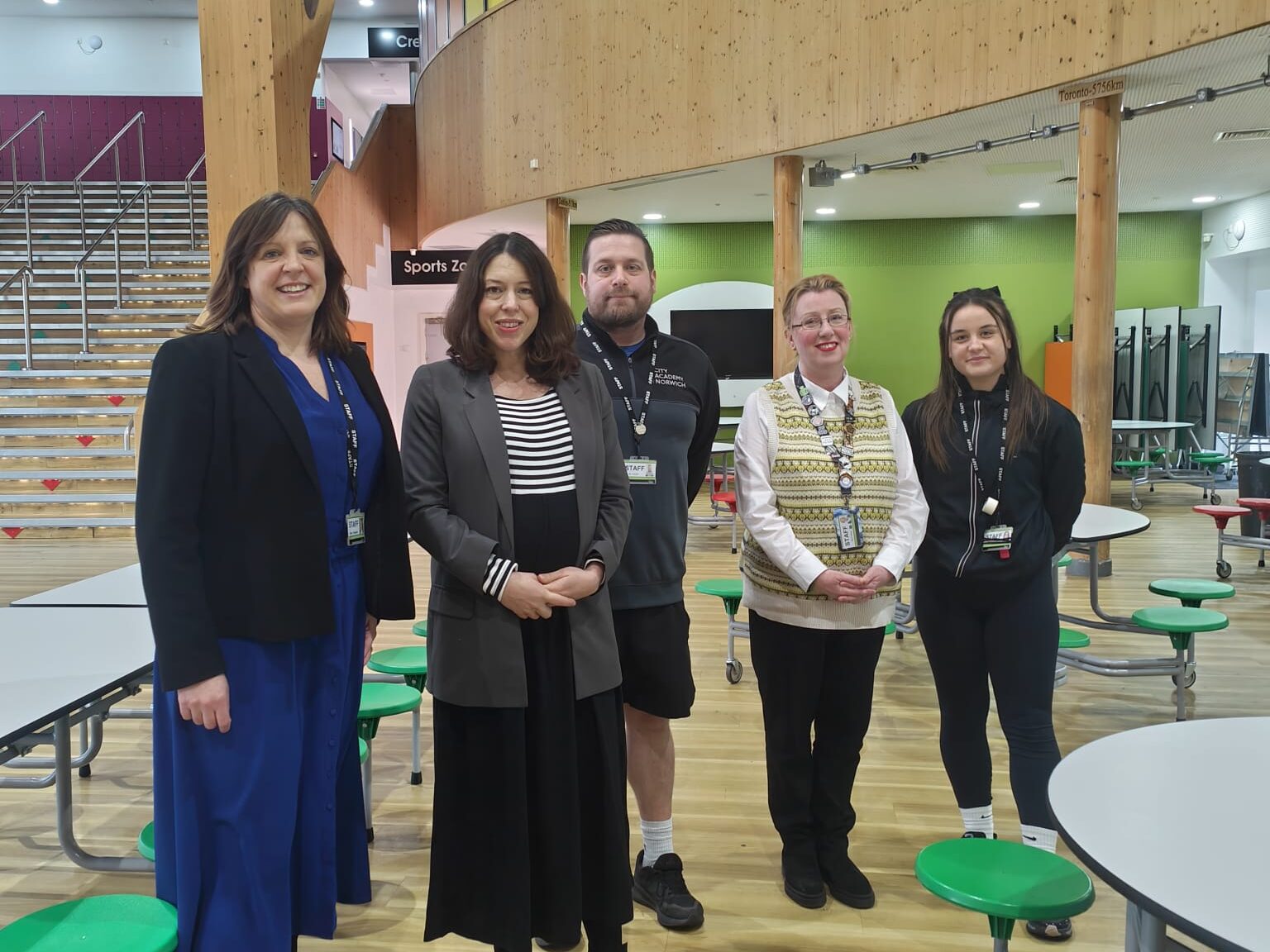
One of the most encouraging meetings I held was with City Academy Norwich, the Lead Inclusion School for Norfolk. They shared the excellent work they are doing to embed inclusive practice across PE lessons, after-school clubs, and wider school activities. They also highlighted a key challenge: that the landscape of sports organisations can sometimes feel fragmented. Bringing these groups together – schools, community clubs, disability sport providers, and national bodies – could create a much stronger, more coordinated approach.
As conversations progressed locally, I also made sure to continue this work in Westminster. I met with Marie Tidball MP, a passionate disability rights campaigner, who shared both her personal experiences and the broader systemic challenges disabled children continue to face across the country. These insights have helped shape my thinking about how MPs, ministers, and stakeholders can work together to strengthen inclusion in PE and ensure this issue receives the national attention it deserves.
Since then, I’ve been working alongside Marie to organise a roundtable with charities and organisations that are working to make sports more inclusive at school. I also asked the Leader of the House of Commons Sir Alan Campbell MP to make time for a debate on how we can achieve this. Looking ahead, I’ll be asking government to focus on this issue more, while spotlighting the work of incredible campaigners like Ruby.
Ruby’s campaign continues to grow in strength and ambition. While she is focused on improving access to sport locally, her ultimate goal is much more far‑reaching: to influence national policy and ensure that inclusive access to PE and sport is embedded within the national curriculum. She wants every school to recognise that sport is for every child, and for inclusion to be a priority rather than an afterthought. This is a goal I fully share, and one I will continue to champion in Westminster.
Find out more about Ruby’s campaign here:
Ruby’s Facebook Page: https://www.facebook.com/Rubybishoptennis
Ruby’s Instagram Page: Ruby Bishop – Instagram
Ruby’s Campaign Video: Ruby Bishop – GB Athlete Campaign to Tackle Discrimination in PE, Sport & Education